
The EU Clean Air Forum brought together policymakers, scientists, and air quality monitoring experts. Discussions highlighted the need to coordinate the reduction of both air pollutants and greenhouse gases, as well as the importance of reliable, high-quality, and accessible data. A particularly interesting panel focused on Earth observation and the use of the Copernicus programme and Sentinel satellites for air pollution monitoring. The panel emphasized that combining long time series of satellite data allows for much finer spatial resolution—up to approximately 400 × 400 m—even though the original data were much coarser. Attention was also given to artificial intelligence, which can improve data quality but has limitations for long-term projections.
A significant part of the discussions addressed the evaluation of the NEC Directive and the upcoming revision of the Gothenburg Protocol. The greatest challenge remains meeting ammonia emission reduction commitments, which is also an issue for Slovakia. The inclusion of methane and black carbon in the LRTAP Convention was also discussed. The need for better coordination between climate policy and air quality policy, faster implementation of measures, and more effective public communication—particularly to protect human health and children—was highlighted.
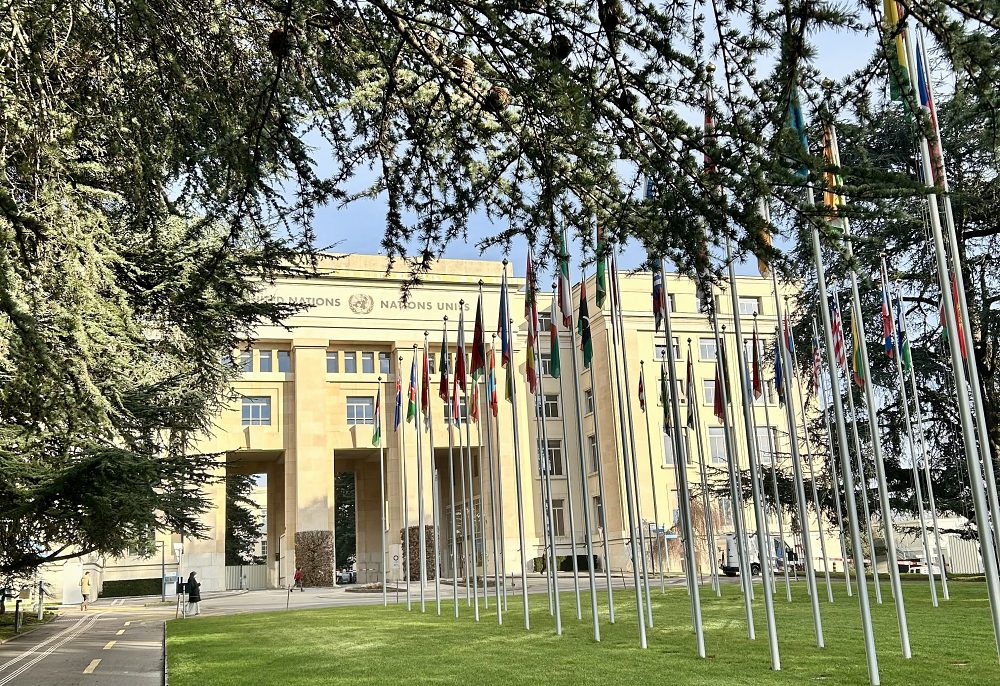
The main topic at the 45th session of the LRTAP Executive Body was the revision of the Gothenburg Protocol, focusing on the inclusion of black carbon (BC) and methane (CH₄), updating the technical annexes, and the future setting of emission reduction commitments. Discussions confirmed the move toward mandatory reporting of BC emissions, with reductions to be primarily achieved through measures reducing particulate matter (PM). Methane, as an ozone precursor, is also being considered for inclusion in the LRTAP Convention. Countries agreed on the need for collective reductions and better coordination between reporting under LRTAP and UNFCCC, without introducing individual binding targets at this stage.
The session confirmed that emission reduction commitments remain a key element of the Gothenburg Protocol. They are expected to apply to the period beyond 2040, using 2015 as the reference year, with the finalization of the protocol revision likely postponed to 2028. Further discussions will take place at the next session of the Executive Body.
The Executive Body also approved new binding guidance for stationary sources, national nitrogen balances, and non-technical measures. For Slovakia, these outcomes are particularly important for early preparation for new reporting and emission reduction obligations, as well as for strengthening international cooperation in air quality protection.